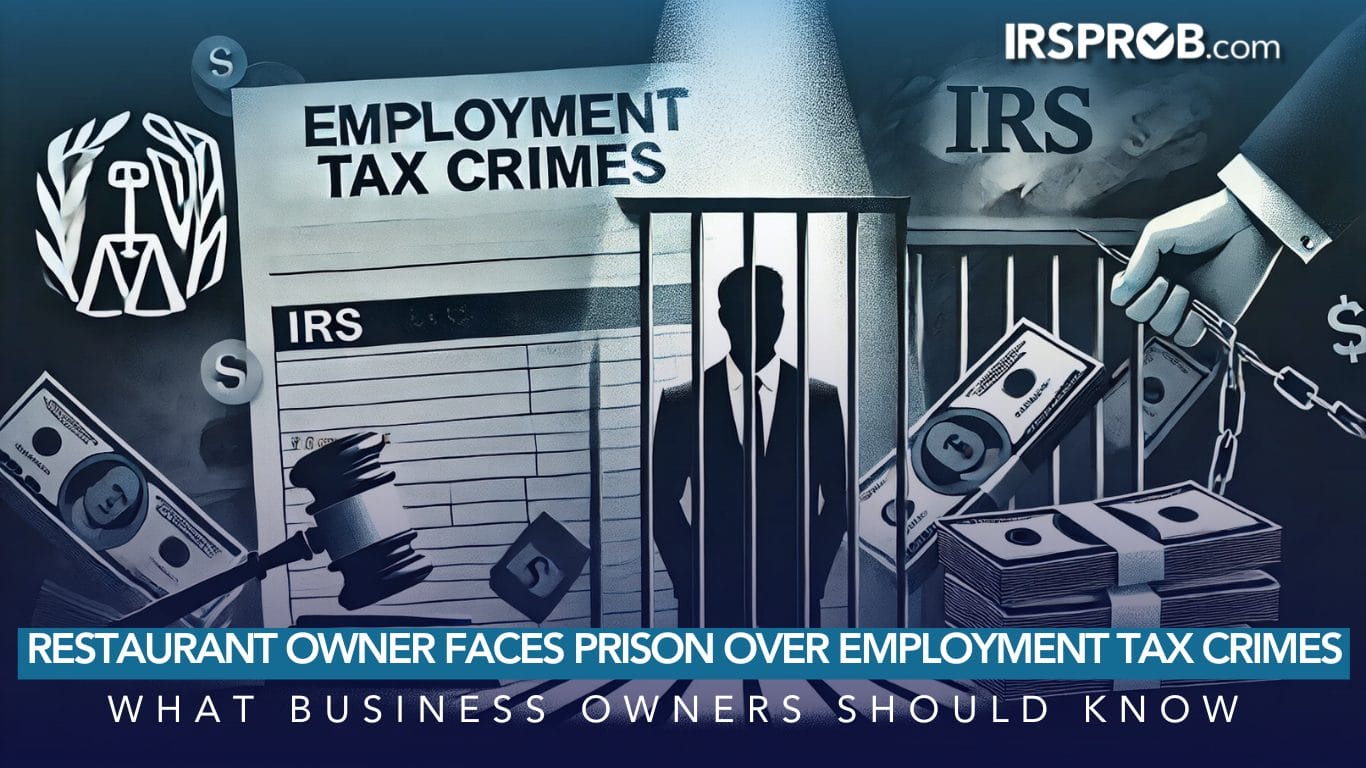
A recent high-profile tax case involving a restaurant owner has sent shockwaves through the small business community. Richard Bhoolai, the 65-year-old owner of Richie’s Fast Food Restaurants Inc. in Cincinnati, faces serious legal consequences after being convicted for employment tax crimes. For business owners, this case serves as a stark reminder of the importance of tax compliance—especially when it comes to employment taxes.
What Happened?
Bhoolai, who operated three fried chicken restaurants between 2017 and 2018, employed 22 to 34 workers. Like most employers, he withheld Social Security, Medicare, and income taxes from his employees’ wages. However, instead of paying these funds to the IRS, Bhoolai kept the money for personal use, spending it on gambling and other personal expenses.
The IRS had already assessed penalties for similar violations before 2017, but Bhoolai continued to flout the rules. As a result, he was convicted on eight counts of failing to pay taxes for four quarters in 2017 and four quarters in 2018. Each count of willful failure to collect or pay over taxes carries a maximum penalty of five years in prison. Bhoolai’s sentencing date is pending, but his conviction highlights the severe consequences of employment tax crimes.
Why Employment Taxes Matter
As a business owner, you’re responsible for collecting and remitting employment taxes, including Social Security, Medicare, and federal income taxes, on behalf of your employees. The IRS refers to these taxes as “trust fund” taxes because you’re holding this money in trust for your employees until you send it to the government.
Failing to remit employment taxes is not just a financial oversight—it’s considered theft. The IRS takes these violations seriously because withholding taxes directly affects employees and the federal government’s ability to function.
What Happens If You Don’t Pay Employment Taxes?
The penalties for failing to pay employment taxes are steep. In addition to criminal charges, you can face:
- Fines and Civil Penalties: The IRS can assess significant financial penalties, which can grow rapidly due to interest.
- Business Closure: Persistent failure to remit employment taxes can lead to the forced closure of your business.
- Personal Liability: In many cases, business owners or other responsible individuals can be held personally liable for unpaid employment taxes.
In Bhoolai’s case, the IRS assessed penalties even before the criminal charges were filed. This demonstrates that the agency will aggressively pursue unpaid employment taxes through both civil and criminal actions.
Key Lessons for Business Owners
- Employment Taxes Are Non-Negotiable: Every business owner must take employment taxes seriously. If you withhold taxes from employees’ wages, those funds must be remitted to the IRS in full and on time. Failure to do so can result in hefty penalties and possible criminal charges.
- Avoid Using Business Funds for Personal Gain: Bhoolai’s decision to spend withheld tax money on personal expenses—particularly gambling—was a significant factor in his conviction. Even in tough times, it’s important to keep business funds separate from personal finances.
- Seek Help If You’re Struggling: If your business is experiencing cash flow problems or you’re unsure about how to handle employment taxes, seek professional advice immediately. Tax professionals can help you develop a payment plan or explore other options to keep your business compliant.
- Criminal Penalties Are Real: Bhoolai’s case isn’t an isolated one. Many business owners face criminal charges for failing to remit employment taxes, and the penalties include prison time, fines, and business closure. Don’t assume that civil penalties are the worst outcome—criminal penalties can devastate your personal and professional life.
Conclusion
The case of Richard Bhoolai serves as a cautionary tale for business owners everywhere. Employment taxes are one of the most critical responsibilities for employers, and neglecting them can lead to severe legal and financial consequences. If you’re unsure about your obligations or are facing difficulties, consult with a tax professional to ensure your business stays compliant and avoids the heavy penalties Bhoolai now faces.