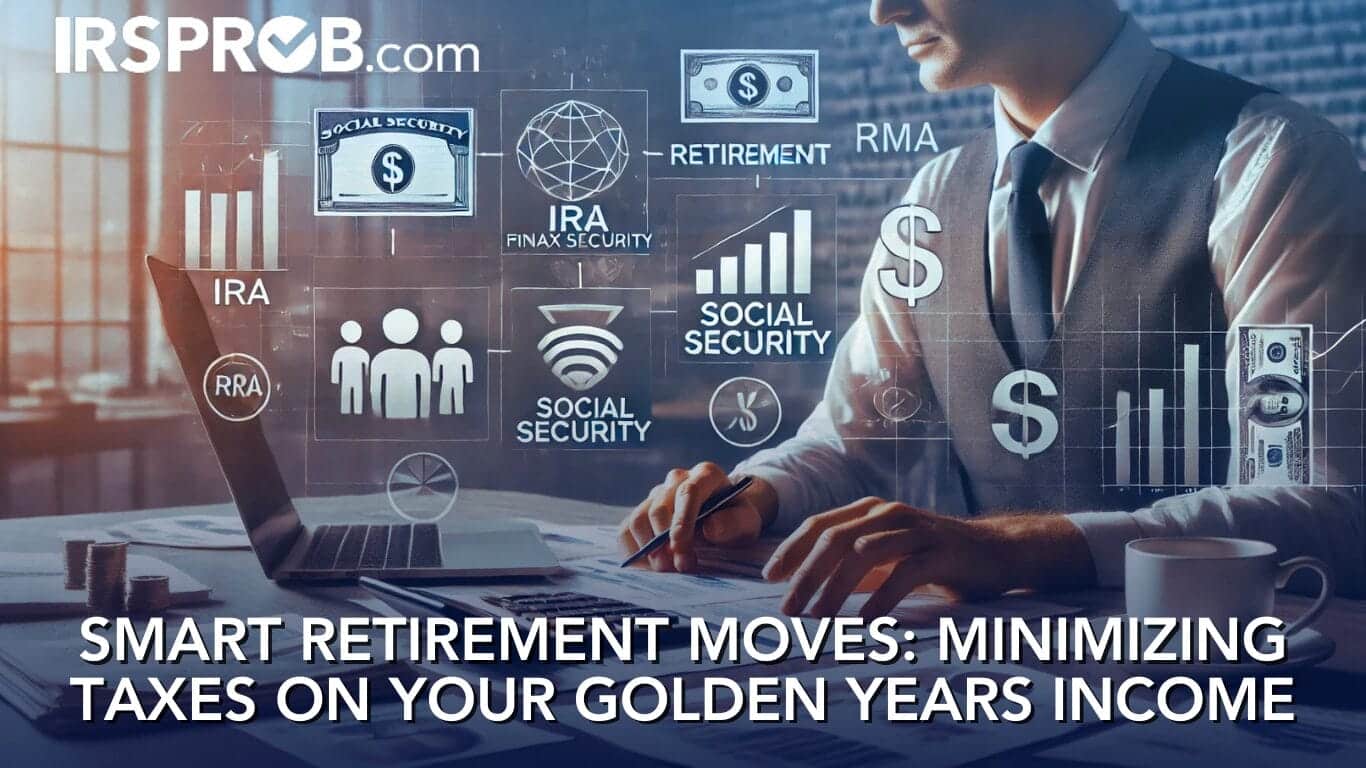
As you plan for retirement, understanding how your income will be taxed is essential, especially for business owners who may have more complex financial situations. Whether you’re drawing from Social Security, pensions, or individual retirement accounts (IRAs), the way your retirement income is taxed can significantly affect your post-work financial strategy. Let’s explore the basics of retirement income taxation and highlight key considerations for business owners.
1. Social Security Benefits and Taxation
Your Social Security retirement benefits are calculated based on two factors: your lifetime earnings and the age at which you retire. Higher lifetime earnings mean higher benefits, and the formula uses the 35 highest-earning years to determine your benefit amount.
Business owners should note that claiming benefits before your full retirement age (between 65 and 67 depending on your birth year) can permanently reduce the amount you receive, whereas delaying beyond full retirement age can result in higher benefits. However, there is no benefit to delaying past age 70.
From a tax perspective, up to 85% of your Social Security benefits could be taxable, depending on your total income. As a business owner, especially if you’re still drawing income from your business during retirement, it’s crucial to plan for the potential taxation of your Social Security benefits. Consult with a tax professional to determine how this could affect your retirement cash flow.
2. Taxation of Pension Income
For retirees who receive pension income, most of this income is taxable at ordinary income tax rates. The way in which you choose to receive your pension can also have tax implications. For example, opting for a joint and survivor pension to provide for your spouse in case of your death usually results in lower payments than a lifetime payout.
Business owners with defined benefit plans may want to carefully consider their payout options before retirement to ensure they maximize their income while also minimizing tax impacts. Keep in mind that once you select a pension payout option, it generally cannot be changed.
3. IRA Distributions and Required Minimum Distributions (RMDs)
Traditional IRA distributions are generally taxable, while Roth IRA distributions are typically tax-free. If you’re approaching age 73 (or 72 in some cases, depending on when you turned 72), you must start taking Required Minimum Distributions (RMDs) from your traditional IRA. Failing to take the RMD could result in a 50% penalty on the amount not withdrawn.
For business owners, particularly those with significant IRA balances, it’s important to plan ahead. RMDs are based on the balance in your account as of December 31 of the previous year, so keeping a close eye on your account values can help avoid unexpected tax bills.
4. Planning for Early Retirement Withdrawals
Some business owners may choose to retire before the traditional retirement age of 59½. Generally, distributions taken before this age are subject to a 10% early withdrawal penalty, but there are exceptions for early retirees. If you follow specific rules, such as taking substantially equal payments based on life expectancy, you can avoid the penalty.
However, it’s important to carefully structure your withdrawals to ensure compliance with IRS regulations. Business owners should consult with a tax advisor to create a sustainable income stream that minimizes penalties and maximizes tax efficiency.
5. Special Considerations for Business Owners
Unlike employees who primarily rely on Social Security and employer pensions, business owners often have additional sources of income during retirement, such as rental properties, dividends from investments, and income from continuing business operations. Here are a few key strategies to help you maximize your retirement income while minimizing taxes:
- Utilize Tax-Advantaged Accounts: Maximize contributions to traditional and Roth IRAs, SEP IRAs, and SIMPLE IRAs during your working years to create tax-deferred or tax-free income streams for retirement.
- Plan for Capital Gains: If you plan to sell business assets or real estate, timing these sales can help reduce your capital gains tax liability. Consider spreading out the sales over multiple years to stay in lower tax brackets.
- Continue Health Insurance Contributions: If you maintain a business in retirement, health insurance premiums paid through your business may still be deductible, even after you’ve stopped active operations.
6. Tax Planning and Retirement Income
Retirement planning goes hand in hand with tax planning. The key to sustaining your lifestyle during retirement is to ensure that you understand how different income streams are taxed. For business owners, having a diversified retirement plan that includes both taxable and tax-free income sources is essential.
As you transition into retirement, staying informed about changes in tax laws is crucial, especially with the potential for changes to Social Security and Medicare tax rates, RMD rules, and estate taxes. Work with a tax professional to ensure your retirement plan aligns with current tax laws and optimizes your tax liability.
In conclusion, understanding how your retirement income is taxed can significantly impact your financial stability in retirement. With careful planning, business owners can ensure they are maximizing their benefits and minimizing taxes, allowing for a smooth transition into their post-work years.
If you’re nearing retirement and need help navigating the complexities of retirement income, IRSProb.com can provide expert guidance tailored to your specific situation. Contact us today to schedule a consultation.