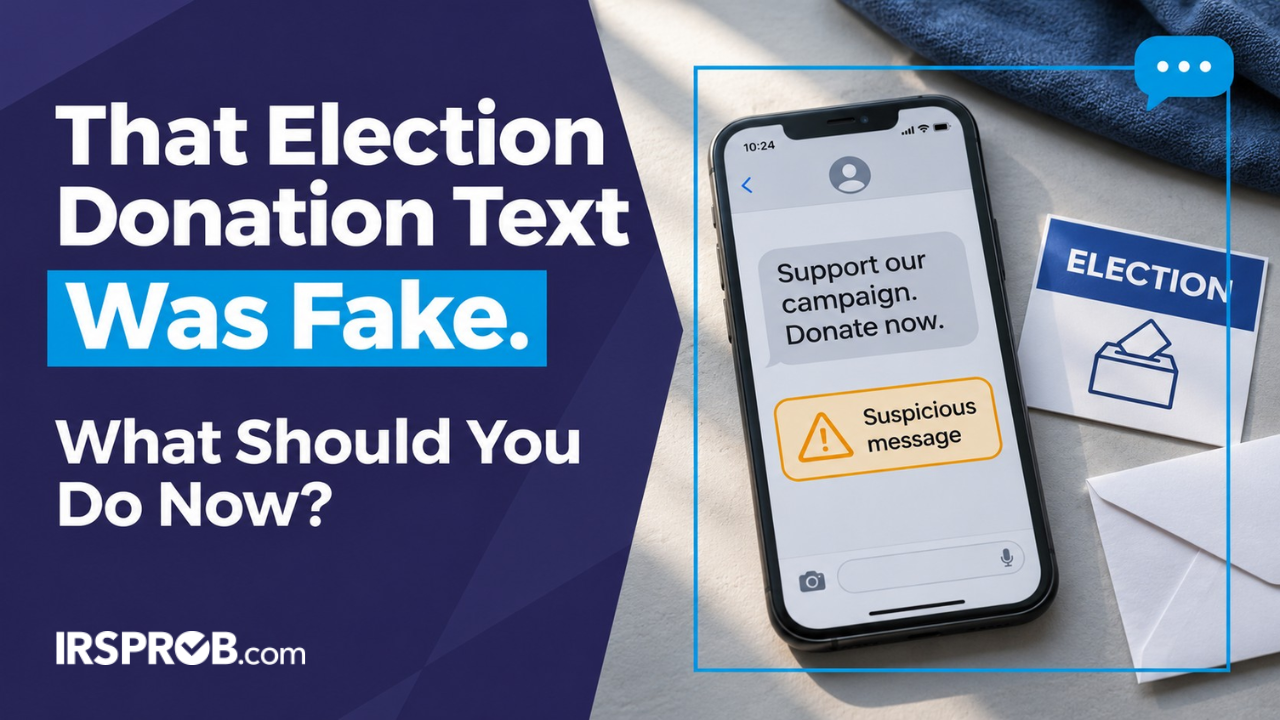
That election donation text looked like it came from a real campaign. Then the receipt, website, or card charge did not match. Learn how to protect your money, secure your tax identity, report the scam, and understand whether the loss has any federal tax effect.

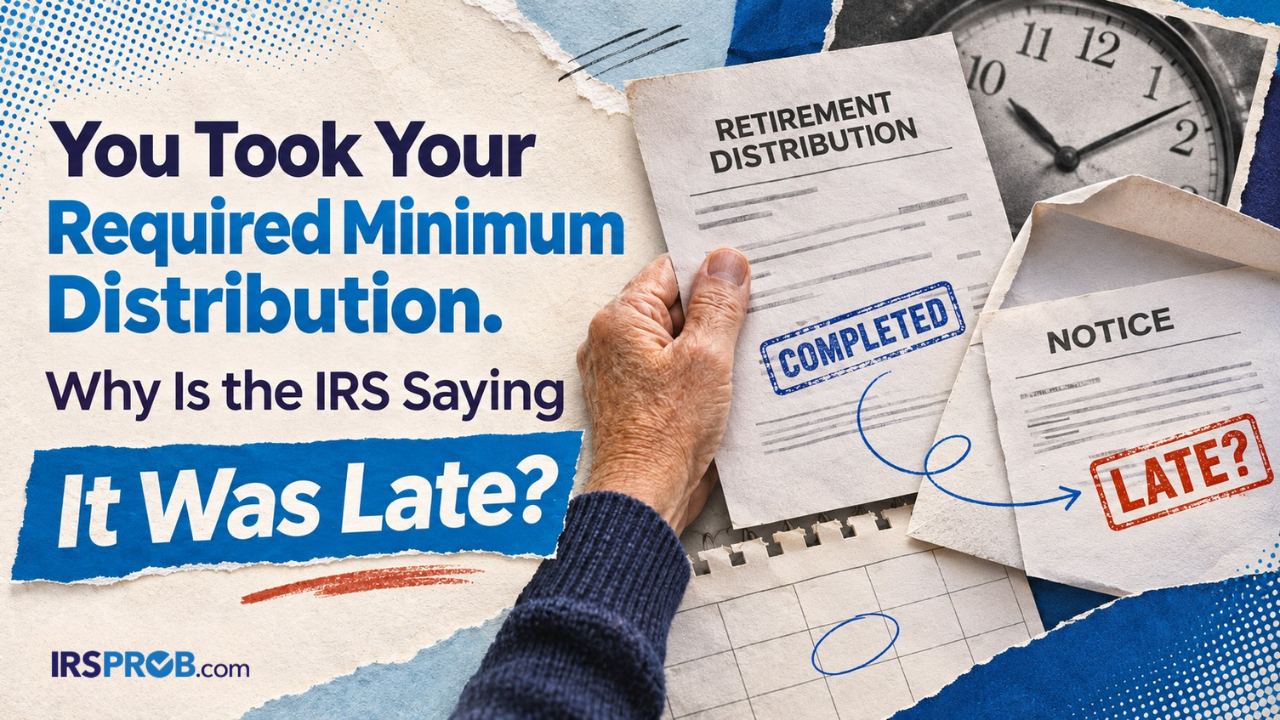
You withdrew money from your retirement account, but the IRS says your required minimum distribution was late. The amount, deadline, account type, and actual payment date may explain the problem. Learn how to correct an RMD shortfall, handle Form 5329, and request relief when reasonable cause may apply.

Missing the 60-day IRA rollover deadline can make a retirement distribution taxable. Learn which relief options may help, how self-certification works, and when the new IRS correction program begins. Acting quickly and keeping proof of what caused the delay may improve your chances of correcting the problem.

A new car does not automatically qualify for the federal car loan interest deduction. The vehicle, loan, final-assembly location, personal use, interest paid, and taxpayer’s income may all affect the result. Learn what to check before claiming the deduction.

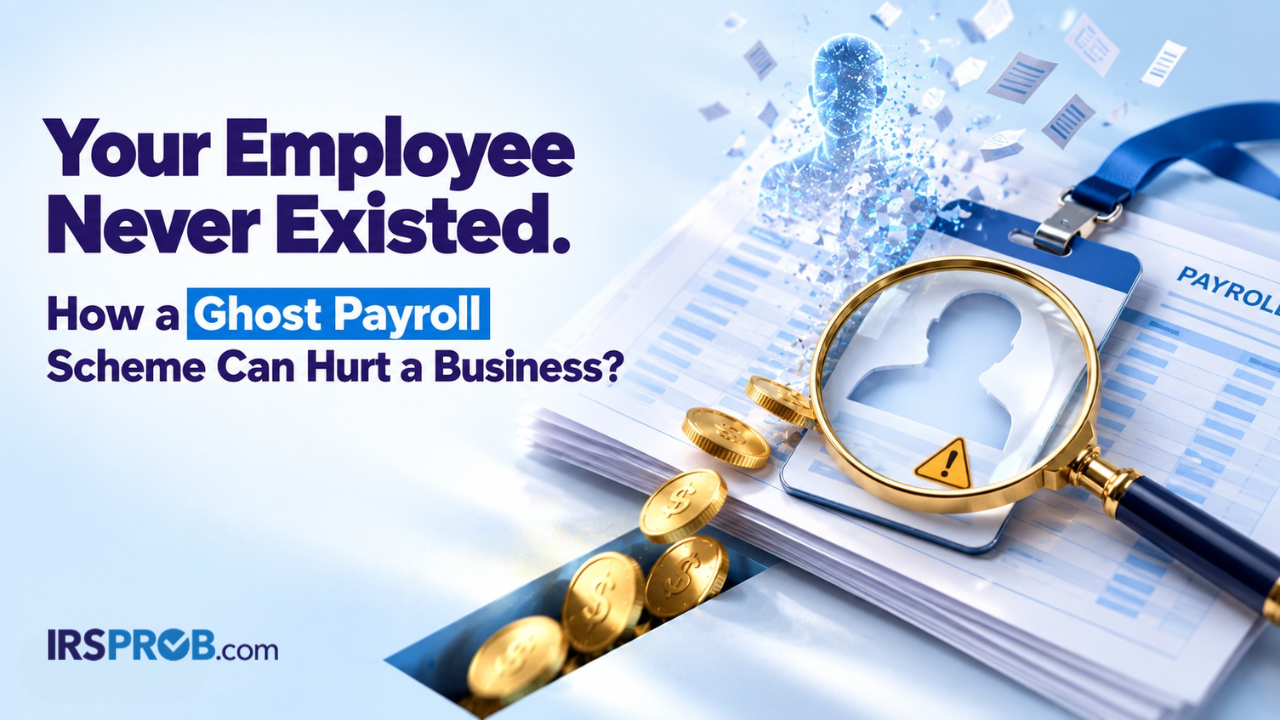
A business owner finds an unfamiliar employee who has received direct deposits for months. The worker has no supervisor, schedule, or hiring file, but the wages may already appear on payroll-tax returns and Forms W-2. Learn how ghost employee payroll fraud happens, which records to secure, and why tax filings should not be changed until the facts are clear.

You contributed to a 401(k) at your old job and another one at your new job. Both payroll systems accepted the money, but that does not mean the combined total was allowed. Learn how excess 401(k) contributions happen, what to check on both Forms W-2, and why acting before the correction deadline matters.

The new 2026 charitable deduction may help taxpayers who take the standard deduction. But a GoFundMe receipt does not automatically make a gift tax-deductible. Learn why the recipient matters, which online donations may qualify, and what records you should keep.

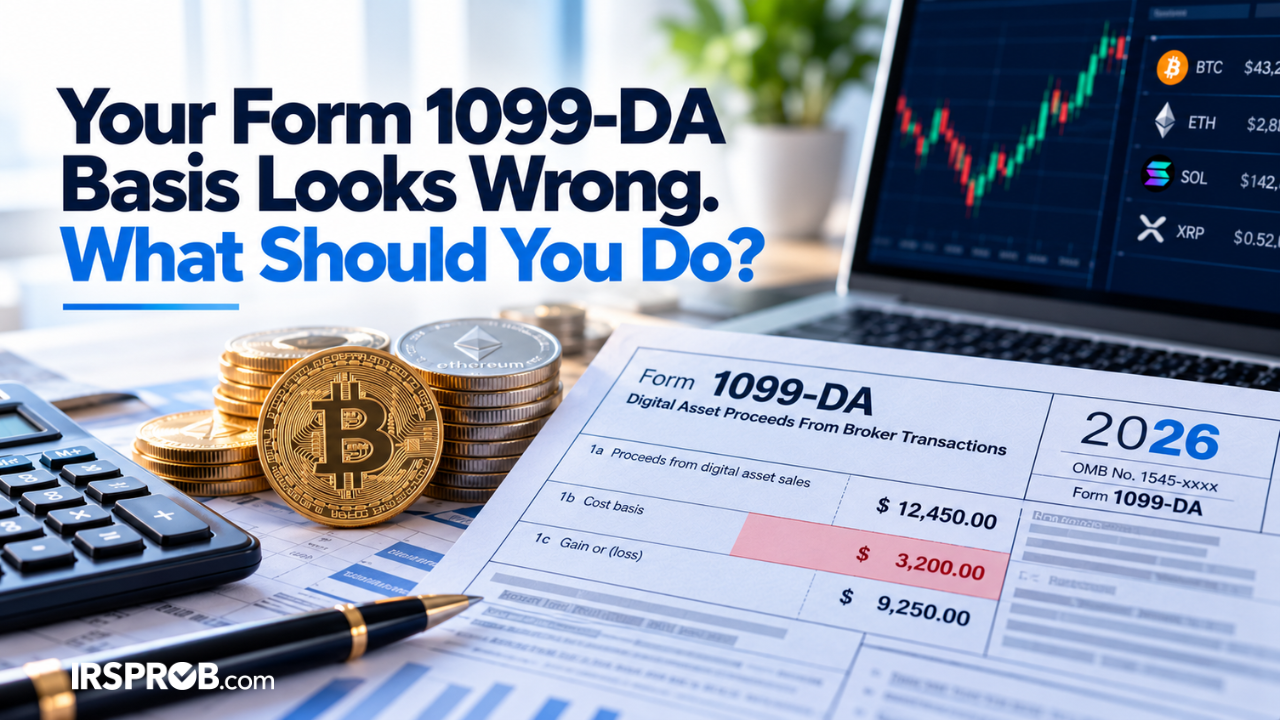
Your new Form 1099-DA may show the proceeds from a crypto sale and a cost-basis amount that looks official. But if you moved digital assets between exchanges or private wallets, the broker may not have your complete purchase history. Here is how to check the form, rebuild missing records, and avoid reporting the wrong taxable gain.