If your phone rings and somebody says they are with the IRS, your heart can jump fast. For a lot of Texas seniors, that fear is exactly what scammers are counting on. These calls are getting smarter, sharper, and with AI in the mix, they can sound a whole lot more believable than they used to.
I’m Randy Martin, CPA, and I help good people with IRS problems. I can tell you this right now: one of the biggest lies scammers use is making you believe the IRS is calling first because something is wrong.
The truth is, the IRS usually starts by mail, not with a surprise threatening phone call. Real IRS contact does not begin with somebody demanding gift cards, wire transfers, or instant payment while scaring you half to death. The IRS also warns that threatening prerecorded messages and pressure to pay right now are scam warning signs.
That is why this matters so much for Texas families. A scared parent or grandparent can make a rushed decision in minutes, especially when the caller sounds official, uses personal details, or creates panic. In this guide, I’m going to show you how to know if IRS call is real, what red flags expose a scam fast, and what to do before you send a dollar or give out any personal information.
- The IRS Will Not Call First If Something Is Wrong
- The Scams Sound More Real Than They Used To
- Seven Red Flags That Expose a Fake IRS Call Fast
- What a Real IRS Contact Usually Looks Like
- What To Do If You Get One of These Calls
- A Word to Adult Children and Caregivers in Texas
- What If You Really Do Owe the IRS?
- The Part Most People Need To Hear
- Frequently Asked Questions
How to Know if IRS Call Is Real
Let’s bust the myth cleanly: the IRS will not usually start with a random phone call. The first contact is generally a letter or notice through the mail. That one fact alone can save a lot of people from getting fooled.
A real IRS issue usually starts with mail. If the caller says this is your first notice, slow down and verify before you do anything else.
Now, that does not mean the IRS never calls. In some situations, the IRS or an authorized private collection agency may call after letters have already gone out. The difference is this: real contact follows a paper trail. A scammer wants to skip that part and jump straight to fear.
That is where good people get trapped. They are not trying to dodge taxes. They are trying to do the right thing. They hear “IRS,” they panic, and they think they have to fix it right this second. That panic is the scam.
The Scams Sound More Real Than They Used To
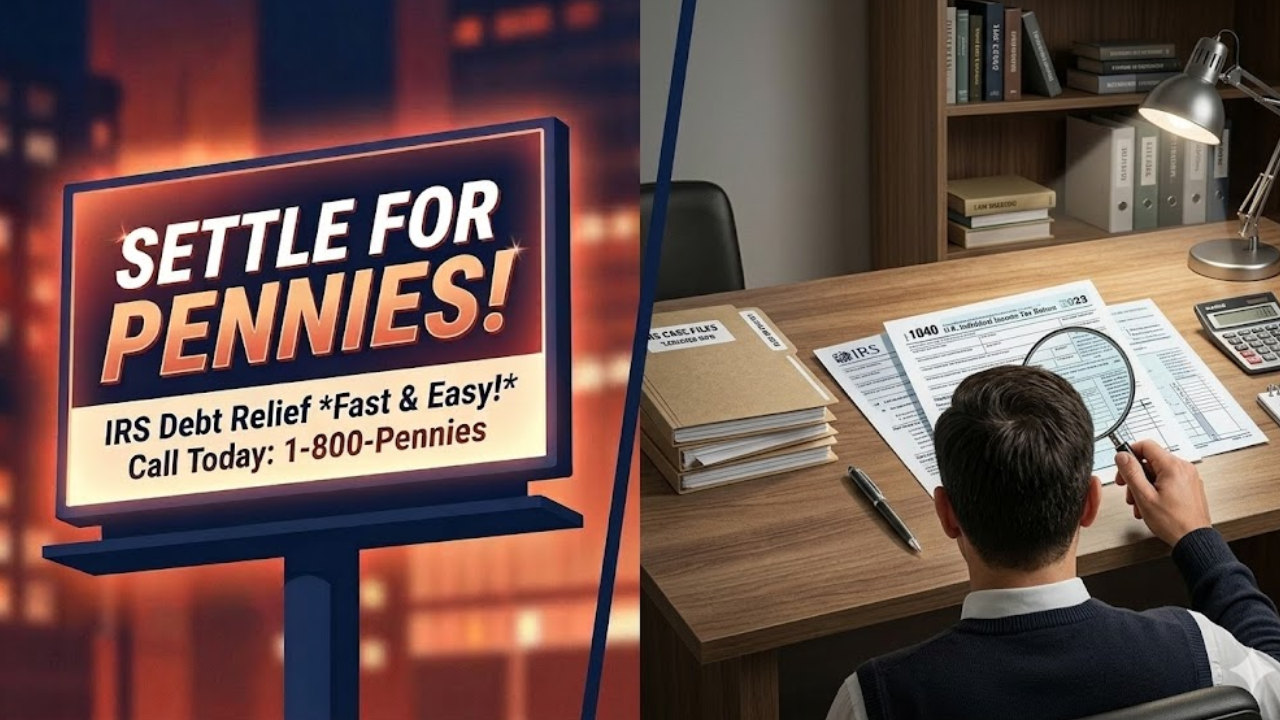
A few years ago, scam calls were often sloppy. Bad grammar. Weird timing. Obvious pressure. Today, that is not always the case. Easy-to-use AI tools can help criminals create cloned voices, polished messages, and more convincing impersonation calls.
That matters in Texas because scammers do not need to know you personally to sound believable. They can spoof a caller ID. They can use your name. They can mention “back taxes,” “a warrant,” or “legal action.” If you want the IRS’s own checklist, read how to know it’s the IRS and the agency’s summary of ways to tell if the IRS is reaching out or if it’s a scammer.
AI voice tools, spoofed caller IDs, and personalized details can make a scam sound official fast. Sounding real is not the same as being real.
Seven Red Flags That Expose a Fake IRS Call Fast
Here are the big warning signs I want Texas seniors and their families to remember.
- They demand payment right now. Scammers hate delay. The IRS does not operate like a mugger on the phone. Threats like “pay in the next hour” are a giant red flag.
- They ask for gift cards, wire transfers, crypto, or unusual payment methods. That is scam behavior, not IRS procedure.
- They threaten arrest, deportation, or immediate jail time. Scammers want to shock you so you stop thinking clearly.
- They say this is your first notice, but you never got a letter. That should put you on guard immediately. Real IRS collection contact usually starts with mail.
- They pressure you to stay on the phone while you pay. That is how scammers keep you from checking the facts with a family member, your bank, or a professional.
- They want personal information before they prove who they are. A fake caller may ask for your Social Security number, bank details, or date of birth before you have any reason to trust them.
- Something feels rushed, secretive, or strange. That matters. Scammers create urgency because urgency kills judgment. Slow is safe.
You can also review the IRS page on recognize tax scams and fraud and the Texas Attorney General warning to beware IRS imposters.
What a Real IRS Contact Usually Looks Like
A real IRS problem usually leaves a paper trail. You get a letter. It has a notice number. It tells you what tax year is involved. It tells you what the IRS says is wrong and what your options are. It gives you a way to respond.
And if your account ever goes to an authorized private collection agency, the IRS says you will get a letter from the IRS first and then another letter from the agency. That means a random first call claiming to be collections is not something I want you to trust blindly.
This is one of those things most people never get taught. They think, “If I really owed, the government would call me.” Usually, no. The mail comes first. That is one of the clearest lines between a real tax issue and a scam.
What To Do If You Get One of These Calls
- Hang up. You do not need to argue with the caller. You do not need to prove anything. You do not need to scare yourself by staying on the line.
- Do not call back using the number that just called you. If you are worried it might be real, verify independently using official IRS contact guidance.
- Write down what happened. Save the number if you can. Then report it through the proper channels. The IRS page to report fake IRS, Treasury or tax-related emails and messages is a good place to start.
- Tell somebody. If this happened to your mom, dad, aunt, or grandparent, do not let embarrassment keep it quiet. A five-minute conversation with a trusted family member can stop a very expensive mistake.
No money, no account info, no Social Security number, and no return call until somebody else gets looped in.
A Word to Adult Children and Caregivers in Texas
If you have an older parent in Texas, do not assume they will tell you when a scammer calls. A lot of good people feel embarrassed after one of these calls, especially if they almost paid or gave out information.
Start the conversation before the next call comes in. Tell them this one sentence: If the IRS wants you, the mail usually comes first. That sentence is simple, memorable, and true enough to stop a lot of bad decisions.
It also helps to set a rule in the family. No money, no account info, no Social Security number, and no return call until somebody else gets looped in. That one rule can save a retirement account.
If you want another official IRS reminder to share, this page on when preparing to file taxes, keep an eye out for scams is worth sending to family.
What If You Really Do Owe the IRS?
This is the part scammers exploit because it is where the fear lives.
Some people who get these fake calls actually do have unfiled returns, back taxes, or old IRS letters sitting in a drawer. So when the phone rings, the scam hits a nerve. That is why the call feels real.
Here is my advice: separate the scam from the tax problem.
A scammer wants fast money and blind panic. A real IRS problem can usually be slowed down, reviewed, and handled step by step. If you truly owe, there may be real options like an installment agreement, an offer in compromise, or help with federal IRS tax liens and levies depending on your facts. Those are handled through real notices, real paperwork, and real strategy. They are not handled by panic-buying gift cards on the phone.
If you want more context on related fraud patterns, read our guides on tax scams in Texas and tax scams when you owe the IRS.
If a fake call stirred up a real tax problem, deal with the real problem the right way.
You do not have to figure it out alone. Slow it down, verify what is real, and then take the next step with a clear plan.
Get Help From IRSProbThe Part Most People Need To Hear
You do not have to solve this in the moment.
You do not have to be brave on the phone. You do not have to know tax procedure by heart. You do not have to decide under pressure whether the caller is real.
Slow down. Hang up. Verify. Then deal with the truth, whatever it is.
If it is a scam, you protected yourself. If it is a real IRS issue, then fine. We handle real IRS issues every day. That is fixable. Panic is what makes it worse.
Frequently Asked Questions
Does the IRS call you first if something is wrong?
Usually, no. The IRS says the first contact is generally a letter or notice in the mail, not a surprise threatening call.
How do I know if an IRS call is real?
A real IRS issue usually follows a paper trail. You typically get a letter first, with a notice number, tax year, and response instructions. A threatening call demanding immediate payment is a major red flag.
Will the IRS ever ask for gift cards or wire transfers?
No. Demands for gift cards, wire transfers, crypto, or immediate payment are classic scam signs.
Can a private collection agency call about IRS debt?
Yes, but only after the IRS sends you a letter first and then the assigned agency sends its own letter.
What should I do after a suspicious IRS-related call?
Hang up, do not use the callback number the caller gave you, verify independently, and report the call through the proper IRS or TIGTA channels.