
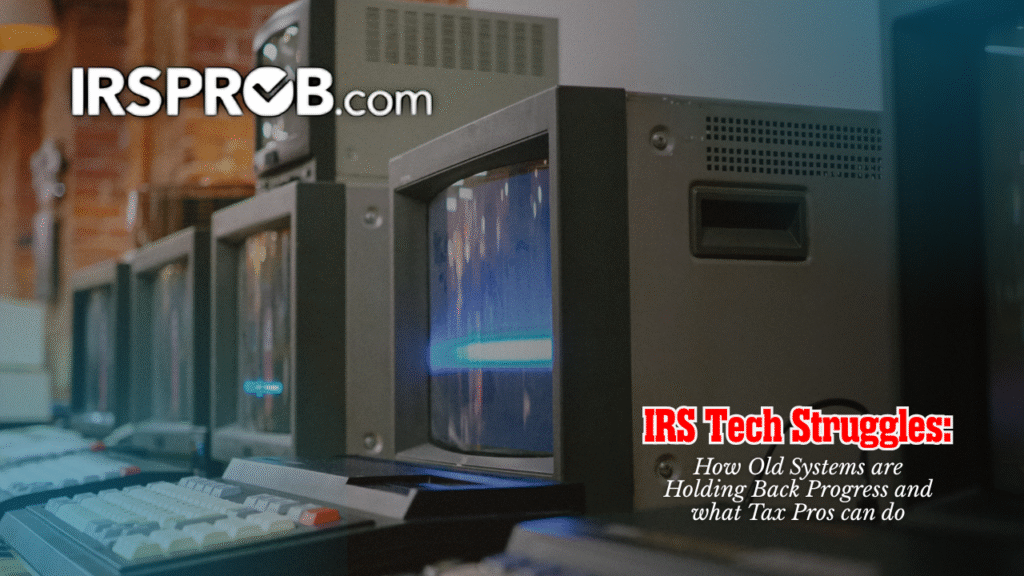
The IRS currently runs around 60 separate computer systems to manage tax cases. Many of the IRS’s computer systems are really old—some have been around for decades. They don’t work well together, making it tough to get a full view of a taxpayer’s situation. The IRS has poured about $190 million into a big upgrade project called Enterprise Case Management (ECM). But oddly enough, they haven’t yet retired a single one of those old systems. This technical trouble leads to delays, confusion, and frustration for taxpayers and tax professionals alike.
Let’s take a closer look at what’s going on with IRS technology, why it matters to you, and how to handle it when things get messy.
IRS Technology: Still Stuck in the Past
The Treasury Inspector General for Tax Administration (TIGTA) recently shed light on the IRS’s modernization struggles. After nearly $200 million spent, the IRS still runs more than 50 outdated systems. These systems don’t share information easily since they’ve been built separately over many years.
Back in 2015, the IRS kicked off the ECM project to bring everything under one roof. But plans keep changing with shifting IRS priorities and leadership changes slowing progress. Even the definition of what counts as an “old” system was changed, pushing back timelines even further. In 2024 alone, $39 million was spent just to keep old systems running while the ECM project lingers in development.
Why This Matters to You
- IRS agents and tax professionals can’t see a complete, unified tax picture easily, leading to errors or overlooked details.
- Taxpayers often face multiple requests for the same documents because records are scattered.
- Delays in IRS responses or case resolutions are common as employees struggle with inefficient tools.
What Tax Professionals and Taxpayers Can Do
While we wait years for the new ECM system to fully replace old ones, here are some tips to manage the fallout:
- Allow extra time when handling IRS cases or client filings.
- Keep detailed records of phone calls, letters, and IRS contacts.
- Communicate clearly with clients that delays are due to IRS system inefficiencies, not the tax pro’s mistakes.
By acknowledging the IRS’s tech struggles, tax professionals can build trust with clients and position themselves as knowledgeable guides through a challenging system.
The Silver Lining: Why Tax Experts Are More Valuable Than Ever
The IRS’s slow modernization is frustrating but it opens an opportunity for tax pros:
- When the system is messy, skilled professionals who understand its flaws shine.
- By staying updated on IRS technological progress and setbacks, tax pros can explain delays and build long-term client trust.
- Tax experts who proactively manage expectations and navigate the system efficiently stand out in an overcrowded market.
This technology gap actually elevates the importance of human expertise in tax compliance and IRS dispute resolution.
What Does the Future Hold? IRS Plans and Challenges
The IRS remains committed to modernization. The creation of the Enterprise Digitalization and Case Management office aims to accelerate ECM implementation. Pilots are underway with the Tax Exempt and Government Entities division. But systemic change will take time, and significant funding hurdles remain.
Innovations like artificial intelligence are being explored to supplement IRS efforts, but these advances alone won’t solve the foundational technology debt. In the meantime, taxpayers and tax professionals should brace for ongoing bumps in the road.
Quick Summary to This Idea
The IRS still operates 54+ old computer systems, spending millions on maintaining outdated tech.
A $190 million modernization project started in 2015 has yet to decommission a single legacy system.
This causes delays, repeated paperwork requests, and confusion for taxpayers and professionals.
Tax pros must allow extra time, keep meticulous records, and set client expectations around IRS system struggles.
Despite challenges, tax experts become even more vital guides navigating a complicated, slow system.
- IRS modernization continues but full benefits could take years to realize.
Frequently Asked Questions (FAQs)
Why hasn’t the IRS been able to retire old systems yet?
Changing IRS leadership and shifting project goals have slowed progress. The complexity of consolidating decades of disconnected systems also poses major challenges.
How does this affect regular taxpayers?
Expect longer processing times and possibly repeated document requests as IRS employees juggle multiple systems.
What is Enterprise Case Management (ECM)?
It’s a new IRS system intended to unify all taxpayer case data in one platform for faster, more accurate handling.
How can tax pros help clients during this transition?
By managing expectations, explaining IRS technical issues, and keeping thorough records, tax pros provide peace of mind and better service.
Is IRS modernization expected to improve soon?
Modernization pilots have started, but full implementation will likely take several years due to funding and technical hurdles.
Additional Resources and Links
Read the full TIGTA report on IRS computer system struggles here.
Learn more about the IRS modernization efforts on the IRS official site IRS Modernization.
For tax professionals seeking strategies to manage IRS cases, visit irsprob.com for expert guidance.
Understand the broader challenges facing IRS IT from this Treasury oversight report Management Challenges FY2025.
- Explore how AI might influence IRS future modernization Tech and IRS AI.