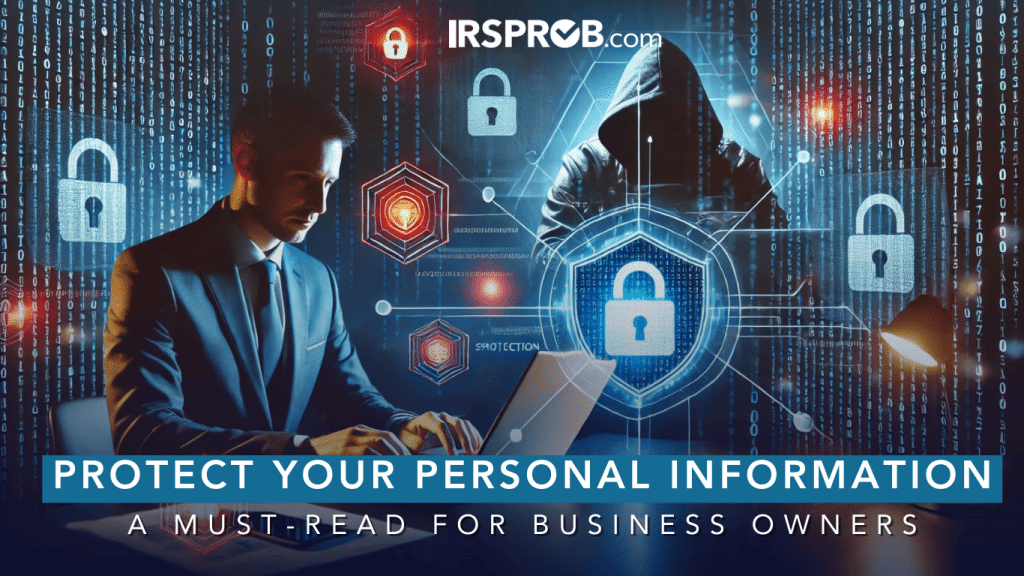
As digital threats grow more sophisticated, safeguarding personal and financial information is not just a necessity for individuals—it’s critical for business owners who often have more at stake. In light of the IRS’s National Tax Security Awareness Week, here’s a guide tailored to business owners on protecting sensitive information from identity thieves and scammers. Follow these practical tips to reduce the risk of financial loss or data breaches.
Always Question Requests for Personal Information
Tax scammers frequently impersonate legitimate organizations to request sensitive information like Social Security numbers or bank account details. Business owners should train themselves and their staff to be cautious about unsolicited requests. Always verify why the information is needed and provide only what is absolutely necessary. Avoid responding directly to emailed or texted requests; instead, contact the organization through its official website or phone number.
Shop with Verified Vendors
When purchasing goods or services online for your business, ensure you’re dealing with reputable retailers. Look for secure websites with valid digital certificates, but don’t assume a site is safe just because it has “https” in the URL. Scammers can purchase valid certificates to make fraudulent websites appear legitimate. Conduct due diligence before making transactions, especially when sharing business banking details.
Use Advanced Security Software
Your business’s digital devices are a goldmine for hackers. Equip all devices with comprehensive antivirus software and ensure they’re updated regularly. Sensitive files, such as tax records, should be encrypted and backed up to secure locations. Consider educating employees on the importance of device security, as shared devices can increase vulnerability.
Strengthen Passwords and Use Two-Factor Authentication
Passwords are your first line of defense against unauthorized access. Always use strong, unique passwords for each account, and implement two-factor authentication wherever possible. Avoid reusing passwords and make sure employees follow these same practices. Password managers can simplify the process and reduce errors.
Avoid Public Wi-Fi Risks
Convenient as it may be, public Wi-Fi poses a significant security risk. Criminals can intercept data transmitted over these networks, potentially accessing confidential business information. Always use a virtual private network (VPN) when connecting to public networks, or avoid using them altogether for business purposes.
Stay Alert to Compromised Accounts
Once a hacker gains access to an email or social media account, they can exploit it to scam the account owner’s contacts. Be wary of unusual requests or suspicious messages, even if they seem to come from a trusted source. Educating your team on recognizing phishing attempts can help minimize this risk.
Additional Tips for Business Owners
- Conduct regular cybersecurity audits to identify vulnerabilities in your business’s systems.
- Educate employees on the latest scam tactics and establish protocols for handling sensitive information.
- Use secure, IRS-approved methods for storing and transmitting tax-related data.
- Monitor business bank accounts and credit reports for unauthorized activity.
Protecting personal and business information is a continuous effort that requires vigilance and smart practices. By implementing these strategies, you can stay one step ahead of scammers and secure your business’s future.