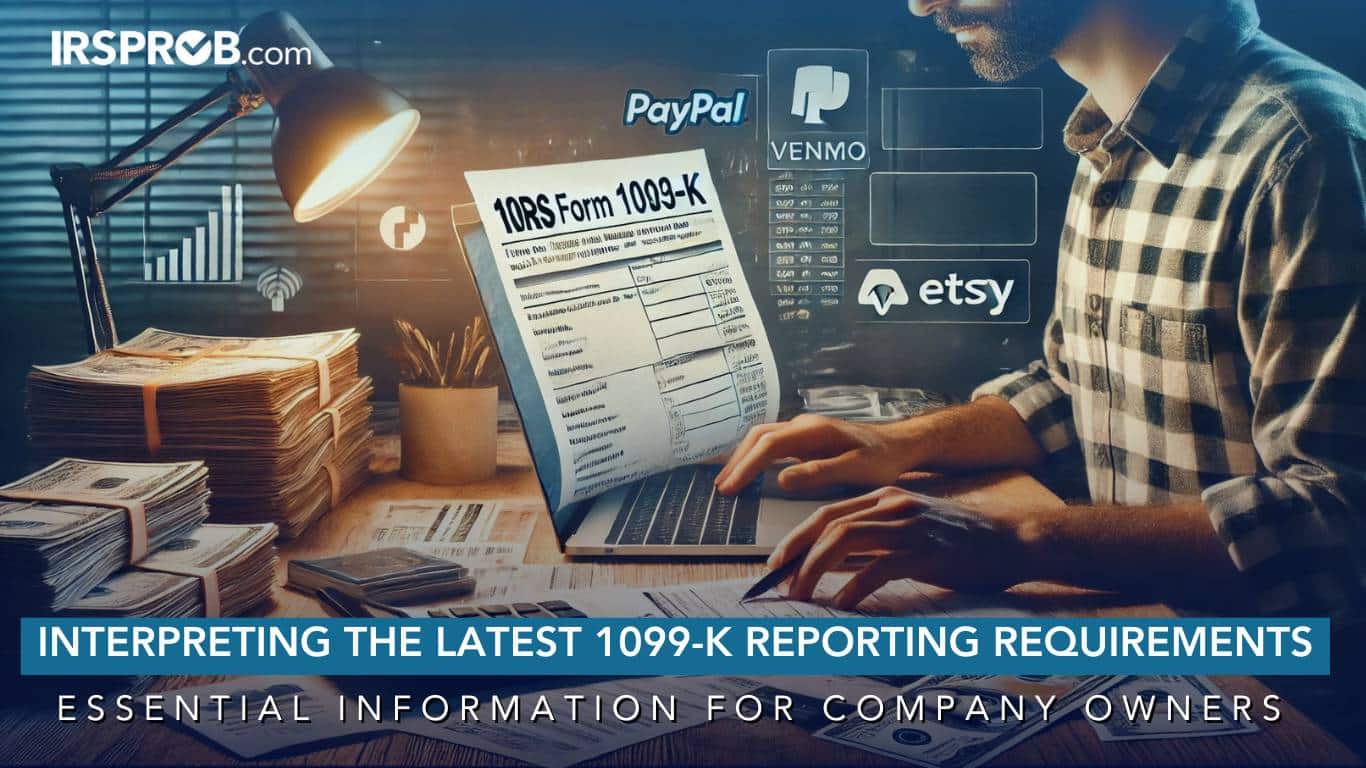
The IRS has once again updated its reporting requirements for Form 1099-K, extending transition relief for business owners and individuals who use third-party settlement organizations (TPSOs) like PayPal, Venmo, Etsy, and Airbnb. This phased approach is designed to ease taxpayers into compliance, but it comes with implications for small businesses and self-employed individuals who rely on these platforms for payments. Here’s what you need to know to stay ahead of these changes.
The New Threshold Timeline
Under the American Rescue Plan Act of 2021, the 1099-K reporting threshold was drastically lowered from $20,000 and 200 transactions per year to $600 annually. This raised significant concerns among taxpayers and tax professionals about a flood of reporting forms and the administrative burden it would create. In response, the IRS introduced a phased implementation:
- 2024: Transactions exceeding $5,000 will trigger a Form 1099-K.
- 2025: The threshold lowers to $2,500.
- 2026 and beyond: The statutory threshold of $600 will apply.
For now, this staggered approach provides some breathing room for taxpayers while they adapt to these stricter reporting requirements.
Who Is Affected?
These changes target individuals and businesses who receive payments through TPSOs. Common examples include:
- Freelancers and gig workers using platforms like Fiverr or Upwork.
- E-commerce sellers on marketplaces such as Etsy, eBay, and Amazon.
- Rental property hosts on platforms like Airbnb or VRBO.
- Small businesses accepting payments via Venmo, PayPal, or Square.
If your total payments from these platforms exceed the thresholds, the TPSO will issue a Form 1099-K to you and the IRS, reflecting those payments.
Backup Withholding Requirements
Starting in 2024, TPSOs are required to perform backup withholding in certain situations, such as when payee information is incomplete or inaccurate. Here’s how it will roll out:
- 2024: TPSOs are encouraged to comply with backup withholding requirements, but the IRS will not penalize them under sections 6651 or 6656 for failing to do so.
- 2025 and beyond: Backup withholding compliance becomes mandatory, with penalties applying for non-compliance.
Backup withholding is generally set at 24% of the payment and is meant to ensure the IRS receives taxes owed when there is uncertainty about a payee’s tax status.
Practical Steps for Business Owners
To avoid surprises and penalties, consider these proactive measures:
- Track All Income: Maintain detailed records of payments received through TPSOs. This includes reconciling payments with invoices or sales records.
- Update Your Tax Information: Ensure the tax identification number (TIN) or Social Security number (SSN) associated with your TPSO accounts is accurate to avoid unnecessary backup withholding.
- Understand Taxable vs. Non-Taxable Transactions: Not all payments reported on a 1099-K are taxable. For example, reimbursements for shared expenses or payments for personal items sold at a loss are generally not subject to income tax. Keep documentation to substantiate non-taxable payments.
- Consult a Tax Professional: With changing thresholds, it’s wise to get advice tailored to your business’s needs to ensure compliance while minimizing tax liability.
What’s Next?
The IRS has defended its authority to phase in these changes to reduce the burden on taxpayers while ensuring compliance. However, some lawmakers are challenging this approach, arguing it bypasses the intent of the American Rescue Plan. Whether future legislation will revise or repeal the $600 threshold remains uncertain, but for now, business owners should prepare for its eventual implementation.
Key Takeaways
The phased thresholds give businesses time to adjust, but preparation is key. Backup withholding rules will become stricter in 2025. Accurate reporting and thorough record-keeping are critical to staying compliant and avoiding penalties.
As a business owner, understanding these changes and taking proactive steps can help you avoid headaches during tax season. Staying informed and ready for these new requirements will keep your business on the right side of the IRS while allowing you to focus on growth and success.