As a business owner, one of the most critical decisions you’ll make is selecting the right legal structure for your enterprise. This choice can significantly affect your taxes, liability, and overall operational efficiency. Understanding the various business entities available is essential to making an informed decision that aligns with your goals and protects your interests.
Overview of Business Entities
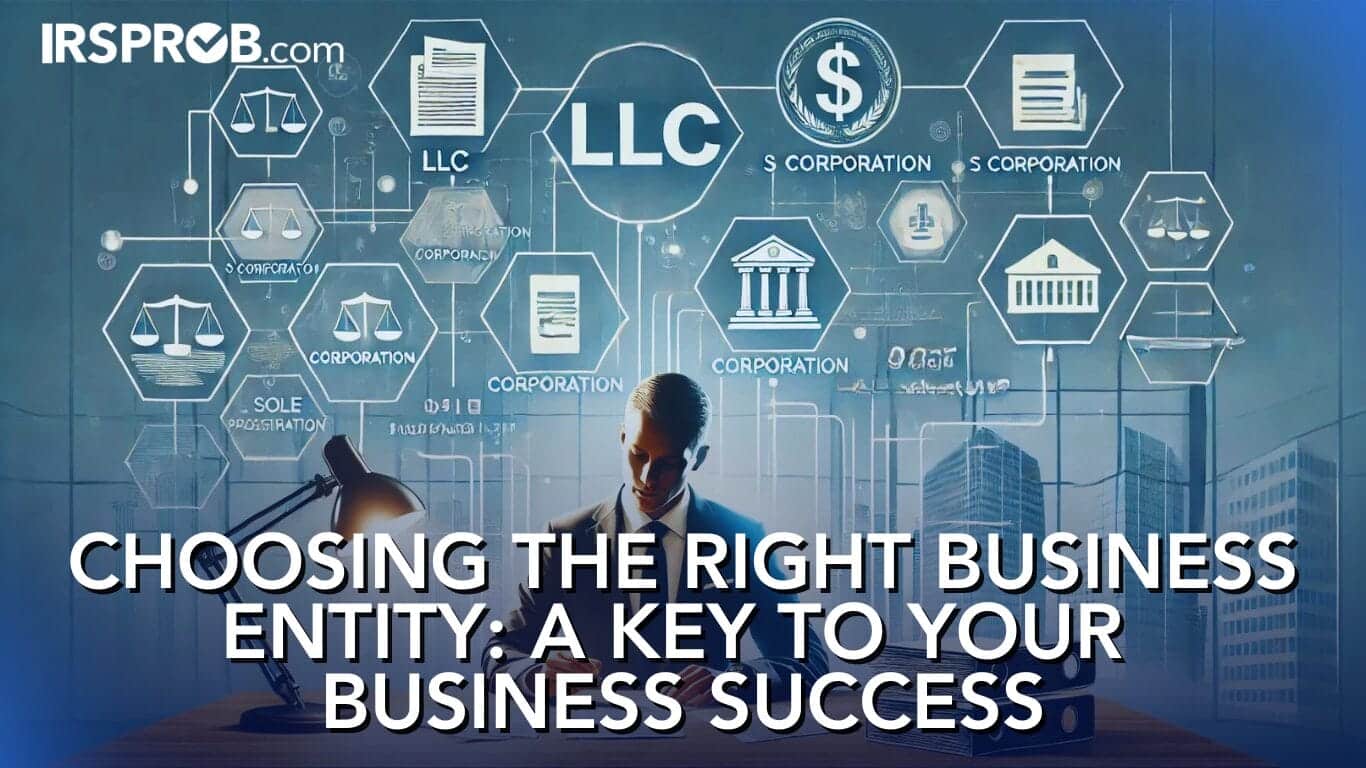
The following are the most common types of business entities, each with its unique characteristics, advantages, and disadvantages:
Sole Proprietorship
- Description: The simplest form of business entity, owned and operated by a single individual.
- Taxation: Income is reported on the owner’s personal tax return, subject to self-employment taxes.
- Liability: Unlimited personal liability; personal assets are at risk in case of business debts or lawsuits.
Partnership
- Description: A business owned by two or more individuals.
- Taxation: Pass-through taxation; profits and losses are reported on partners’ personal tax returns.
- Liability: Generally, partners have unlimited personal liability, although limited partnerships can offer some liability protection.
Limited Liability Company (LLC)
- Description: A hybrid entity that combines the benefits of a corporation and a partnership.
- Taxation: Pass-through taxation, but LLCs can choose to be taxed as a corporation.
- Liability: Owners (members) are generally not personally liable for business debts, protecting personal assets.
Corporation
- Description: A separate legal entity owned by shareholders.
- Taxation: Subject to corporate tax rates; dividends paid to shareholders are taxed again on their personal tax returns (double taxation).
- Liability: Shareholders have limited liability; personal assets are protected from business debts.
S Corporation
- Description: A special type of corporation that meets specific IRS requirements.
- Taxation: Pass-through taxation; profits and losses are reported on shareholders’ personal tax returns.
- Liability: Limited liability for shareholders, similar to a C corporation.
Key Considerations in Choosing a Business Entity
- Liability Protection: If protecting personal assets from business liabilities is a priority, consider forming an LLC or corporation.
- Tax Implications: Different entities have varying tax obligations. For instance, sole proprietorships and partnerships face self-employment taxes, while corporations may experience double taxation.
- Administrative Burden: Corporations typically require more paperwork and formalities than sole proprietorships or partnerships.
- Future Growth: Consider your long-term business goals. If you plan to seek investors or expand significantly, a corporation might be more suitable.
- Operational Flexibility: LLCs offer more flexibility in management and profit distribution compared to corporations.
Practical Insights
Choosing the right entity can significantly impact how much you pay in taxes and how much liability you carry. Here are some practical insights to consider:
- Sole Proprietorships are ideal for solo entrepreneurs looking for simplicity but come with high personal risk.
- Partnerships can be beneficial for collaborative efforts but require clear agreements to define roles and profit-sharing.
- LLCs are increasingly popular due to their balance of liability protection and tax flexibility, making them suitable for many small to medium-sized businesses.
- Corporations are better suited for larger businesses aiming for growth and investment but come with more regulatory requirements.
- S Corporations can be advantageous for small businesses looking to avoid double taxation while still enjoying the benefits of a corporate structure.
Conclusion
Selecting the right business entity is a foundational decision that can shape your business’s future. It’s crucial to weigh the benefits and drawbacks of each structure in light of your specific circumstances and goals. Consulting with a tax advisor or legal professional can provide personalized insights that align with your business strategy.
By understanding the nuances of each business entity, you can make a well-informed choice that supports your business’s growth and protects your personal assets. For further assistance, consider utilizing resources such as the IRS website or local business development centers that offer guidance tailored to your needs.